If you have any hardwood trees on your property, one of your biggest worries would be hypoxylon canker. This deadly fungal disease can go unnoticed until it kills your tree, usually within two years. Now you’re probably wondering, “How does hypoxylon canker spread?”
In this post, Rockoff Tree Solutions, one of the top-rated arborists in Boerne, TX, explains everything you need to know about hypoxylon canker fungus.
Understanding Hypoxylon Canker: What Is It and What Trees Are Susceptible?
Hypoxylon canker, or Biscogniauxia canker, is a fast-spreading fungal disease that attacks weakened or stressed trees, causing them to die. It’s common in the southern United States and doesn’t invade healthy trees.
Once the fungus infects your tree, it spreads stealthily underneath the bark, starting in the top branches and working downward. By the time you detect a symptom on your tree’s trunk, it’s often too late, and the damage can cause tree death.
Examples of trees prone to hypoxylon canker include:
- Live oak
- Red oak
- Mexican oak
- Bur oak
- Chinkapin oak
- Lacey oak
- Poplar
- Elm
- Willow
- Aspen
- Sycamore
- Beech
- Pecan
- Yaupon
- Hickory
- Maple
What Are the Symptoms of Hypoxylon Canker?
You should understand the symptoms of this dangerous fungal disease, so you can save your tree before it dies. Look out for these signs:
- Some branches have smaller leaves
- Leaves are turning yellow.
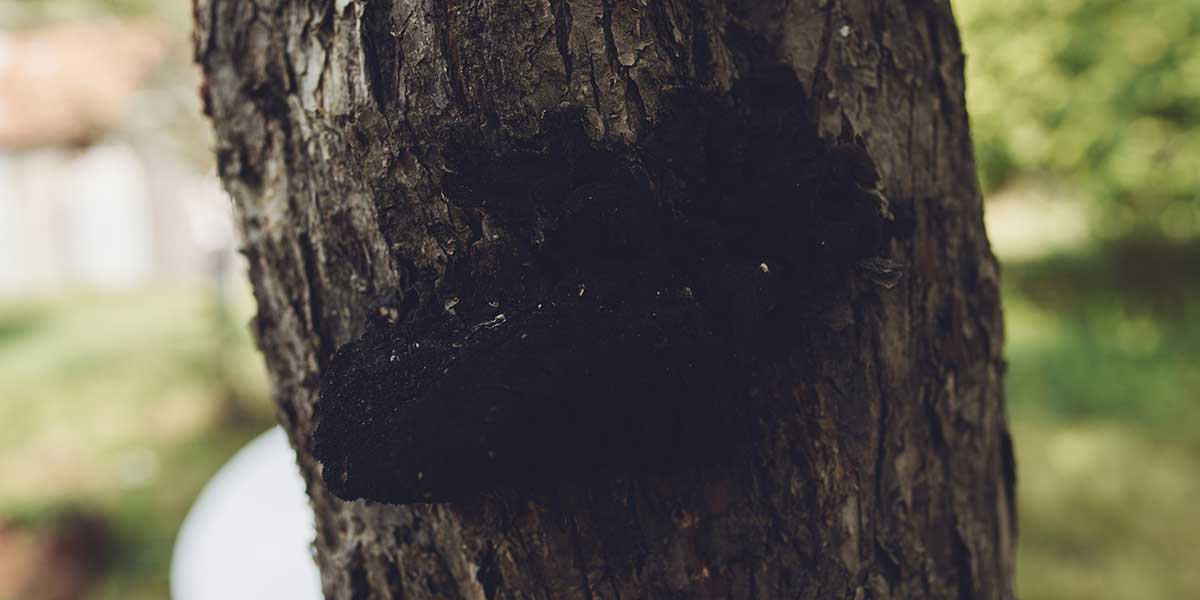
- Bark discoloration in an oval or round shape
- Dead leaves still clinging to your tree branches
- Some tree branches have cankers at wounds and unions
- Canker edges with orangish or yellowish bark
How Does Hypoxylon Canker Spread?
Still wondering, “How does hypoxylon canker spread?” Hypoxylon canker spreads from one tree to the next through airborne fungal spores, which prefer damp weather. For this reason, they usually spread after rainfall.
This fungus will typically enter your tree through a wound or injury caused by pruning or physical damage. It’ll stay in the tree for an indefinite period before it can cause any noticeable damage.
You shouldn’t worry about any harm if your tree is healthy, as it can resist the fungus. If your tree has suffered any environmental stress, it can be too weak to defend itself. The result is that the fungus will start eating away at the wood, creating fungal mats.
As the infection destroys sapwood, it hampers your tree’s capability to supply nutrients and water throughout. This can worsen the stress and cause fatal damage.
It’s worth noting that hypoxylon canker spreads faster during hot and dry summers because fungi thrive at temperatures of about 95 degrees. Your tree can die within one to two years, depending on the severity of the infection.
Can You Treat Hypoxylon Canker?
Now that you understand the disease transmission in oaks and other hardwoods, you may ask, “Is hypoxylon canker curable?”
The short answer is no. There’s no fungicide to treat this disease. Luckily, you can prevent the infection from spreading to the trunk and extend your tree’s life by pruning diseased branches. You should also avoid planting oak and other vulnerable trees if you discover infected trees in your neighborhood.
Here are other tips to protect your trees from hypoxylon canker:
- Ensure proper soil drainage
- Ensure your trees have proper nutrition
- Safeguard the roots from damage
- Prune and trim your oak trees regularly
Get Proper Tree Disease Management From Certified Specialists
Need more insight for the question, “How does hypoxylon canker spread in trees?”
Hiring a certified arborist, such as Rockoff Tree Solutions, is the way to go. Call us at 830-955-0304 for a free quote for all your tree care needs in Boerne, TX.