
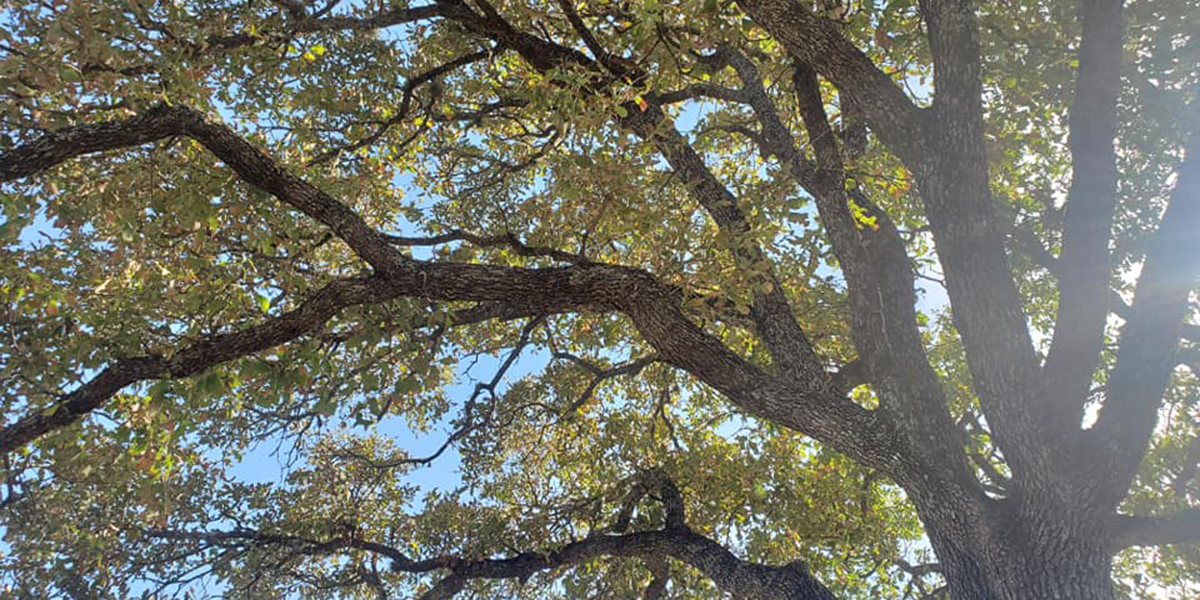
Tree leaves changing color in the fall herald the colder weather and give us a beautiful display. Outside of this seasonal change, chlorosis isn’t a good sign. In this post, Rockoff Tree Solutions, your reliable arborist services in Boerne, TX, explains more about tree leaves turning yellow and why this happens.
A Short-Term Issue
It can be something simple, like a short dry spell or heat wave. You need to know what’s happening to prevent further stress to the plant. Good tree care maintenance will reverse the symptoms.
Insects and Disease
These are common culprits. Fungal disease, in particular, causes discoloration by blocking sunlight. Aphids, spider mites, and caterpillars cause yellowing by damaging the tissue. They suck the sap out and cut off further nutrients and water. Even the roots are at risk, with a similar result.
The downside means that it’s hard to diagnose the root cause if you don’t know what you’re looking at. One disease can look much like another, which means you could waste time and money on the wrong treatments.
Watering Issues
It’s very common for issues with water to cause as much damage as insects. And while we instinctively feel that it’s due to too little moisture, signs of too much include, frustratingly, tree leaves turning yellow.
Overwatering suffocates roots and leaches nutrients from the soil. Too little water puts your tree under a lot of stress. The only way to know which one your tree has is by checking the soil moisture below the surface.
A lot of people don’t understand how to properly water their trees, focusing on the area around the trunks. The roots will extend all the way to the drip line on the outer edge of the canopy. Focusing on the small area by the trunk doesn’t do much good and might cause rot. Instead, you should water slowly and deeply closer to the drip line.
Nutrient Deficiency
Your tree needs a range of nutrients to produce the chlorophyll that gives leaves their green color. Some people mess with the soil pH in an effort to support better growth, but it’s a delicate balancing act. You don’t want to add too much of one nutrient at the expense of others.
You need to test the soil carefully to see what’s missing, and then add it in. This is particularly important if overwatering or flooding has leached the minerals from the ground.
Light Exposure
A sun-loving tree planted in heavy shade will sulk. It can’t photosynthesize efficiently, and the leaves fade. On the other hand, shade-adapted trees scorch when you expose them to intense afternoon sun.
If the issue is placement, you can try pruning nearby trees or adding filtered shade. Top marks if the tree is young enough to move it. That’s why it’s so important to get expert advice when planting to find the right match.
Chemical Exposure
Did you use weedkiller recently? You might not have sprayed your tree, but the chemicals can drift onto leaves or get soaked up by the roots. Use these products on calm days and keep them well away from root zones and foliage.
Heat and Drought
Extended high temperatures push trees into survival mode. Some shed leaves to conserve water. Others enter what looks like early dormancy, especially species adapted to dry climates.
Supplemental watering during prolonged drought can help, provided local restrictions allow it.
Contact Our Team for Expert Advice
Now that you understand more about tree leaves turning yellow, you need to know the next steps. Call Rockoff Tree Solutions at 830-955-0304 to schedule an expert consultation and learn more about understanding common tree problems.


